Introducing the Marine Animal Forest Manifesto: A Call to Action for Conservation and Restoration

Introducing the Marine Animal Forest Manifesto: A Call to Action for Conservation and Restoration

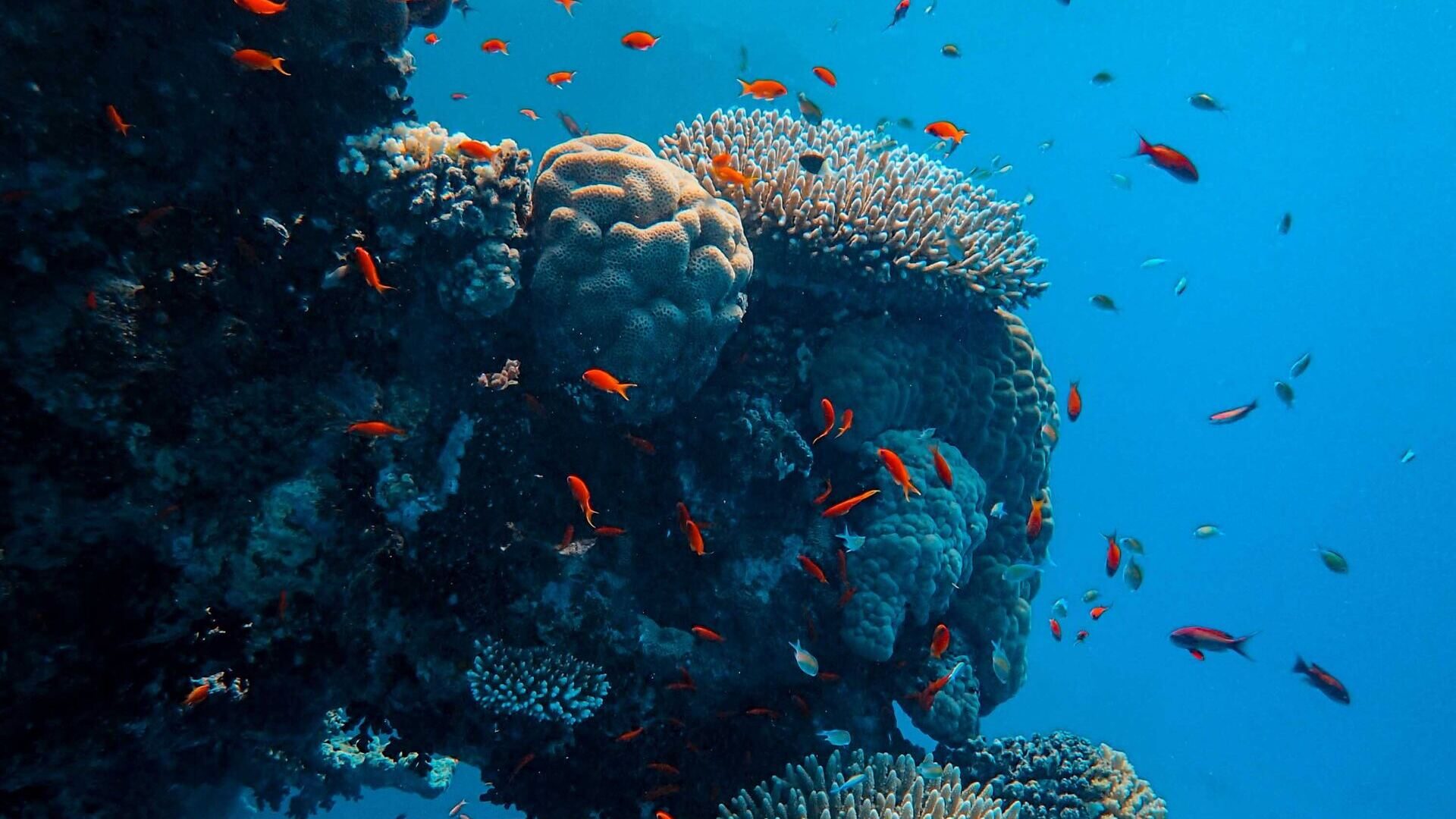
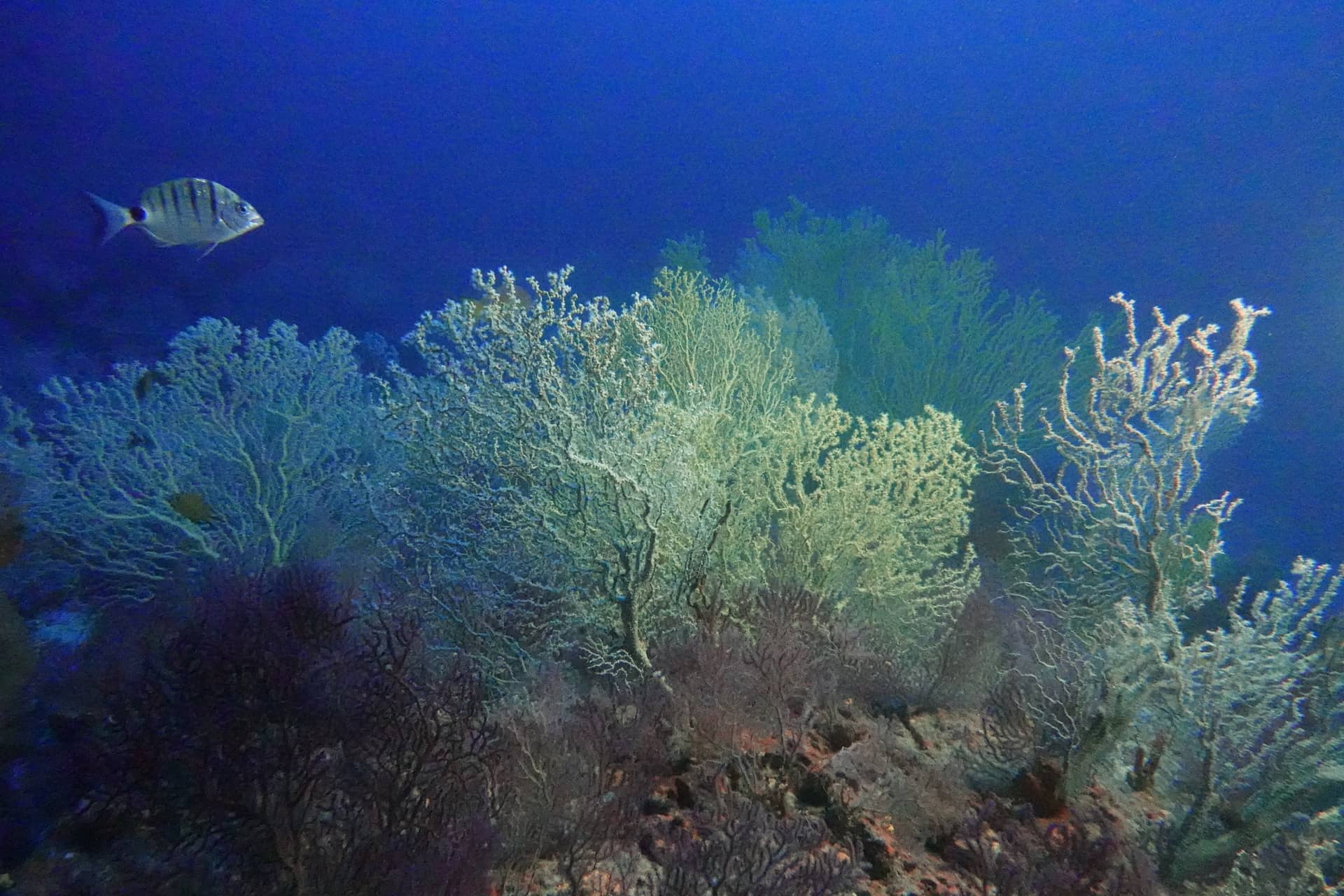
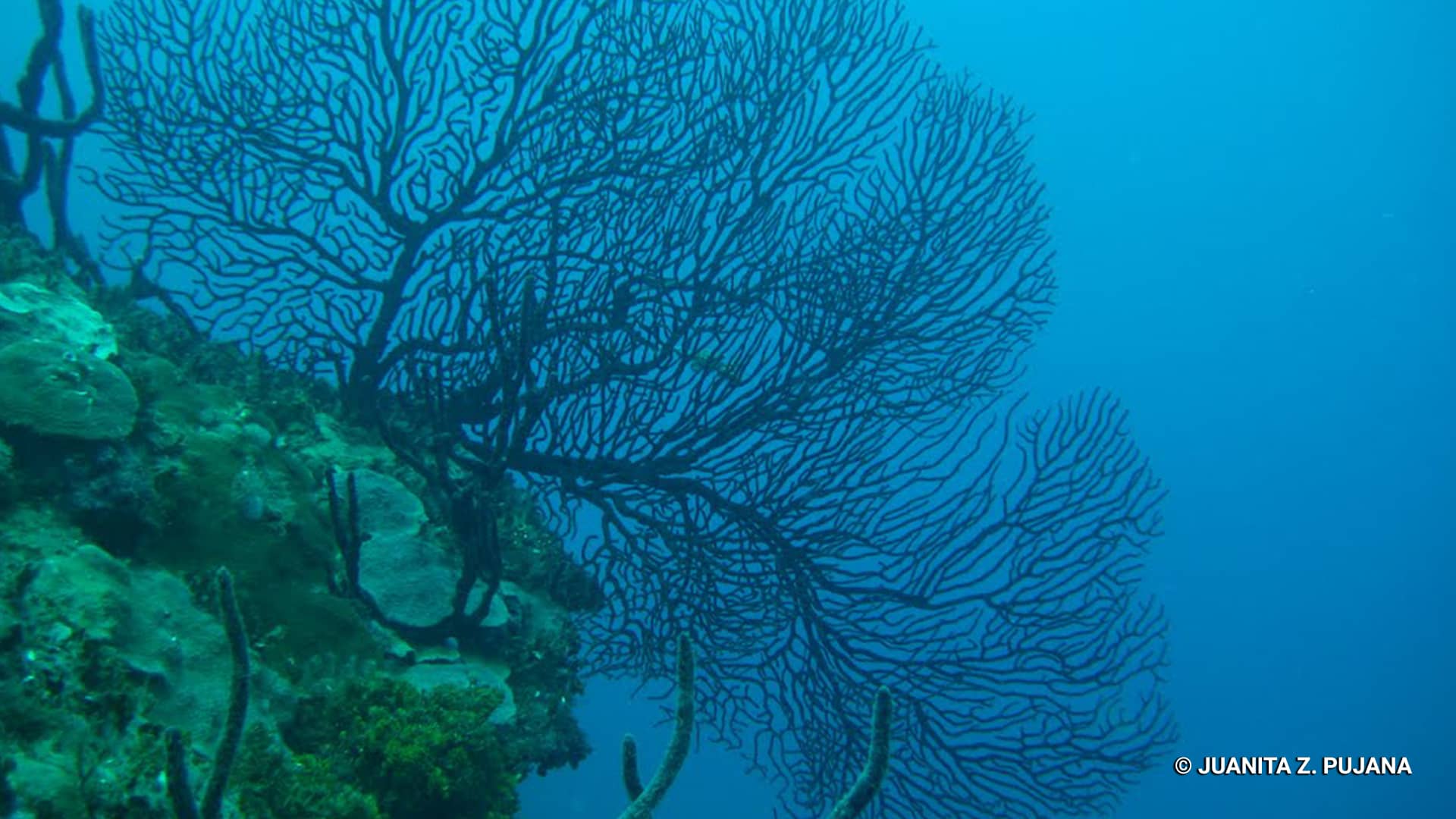
Beneath the waves, vast forests of corals, sponges, and gorgonians form complex habitats that serve as the ocean’s engine rooms. They shelter marine life, support fisheries, and sequester carbon. But we are losing them. A new Manifesto from scientists of the MAF WORLD COST action, led by Dr Sergio Rossi, reveals they are being destroyed by bottom trawling, pollution, and climate change. He says, “We are losing an ally, the one that helps to regulate much of the seafloor processes and functioning.” 

The message is clear: it is time to give these hidden forests the same attention and protection as we give to land forests. We are pleased to announce the official launch of the Marine Animal Forest (MAF) Manifesto, a vital document developed by dedicated researchers and collaborators under the COST Action MAF WORLD.
Share this post:

Facebook
Twitter
LinkedIn
WhatsApp

Latest Updates

Recently, a public letter circulated by the Asociación Tinerfeña de Amigos de la Naturaleza (ATAN) and the platform Salvar Punta Blanca raised concerns about the OCEAN CITIZEN project and its potential links to external initiatives in Tenerife. As a consortium, we believe it is important to provide clarity and correct some misunderstandings. The following response outlines the OCEAN CITIZEN project objectives and explains why the project should not be confused with other independent initiatives.
When: January 24 2025 02:00 p. m. UTC
We will have a special session on Blue One Health concept. This webinar will explore the critical yet often overlooked role of marine ecosystems in the One Health framework.
Theme: Ecosystem Stress Due to Climate Change: Actual Impacts and Future Concerns
Date: November 12-14, 2024
Format: Free hybrid event
Event Description: Climate change is placing significant stress on ecosystems worldwide. This event explores urgent actions needed to mitigate these impacts and strengthen adaptive measures for both ecosystems and the human communities that depend on them.
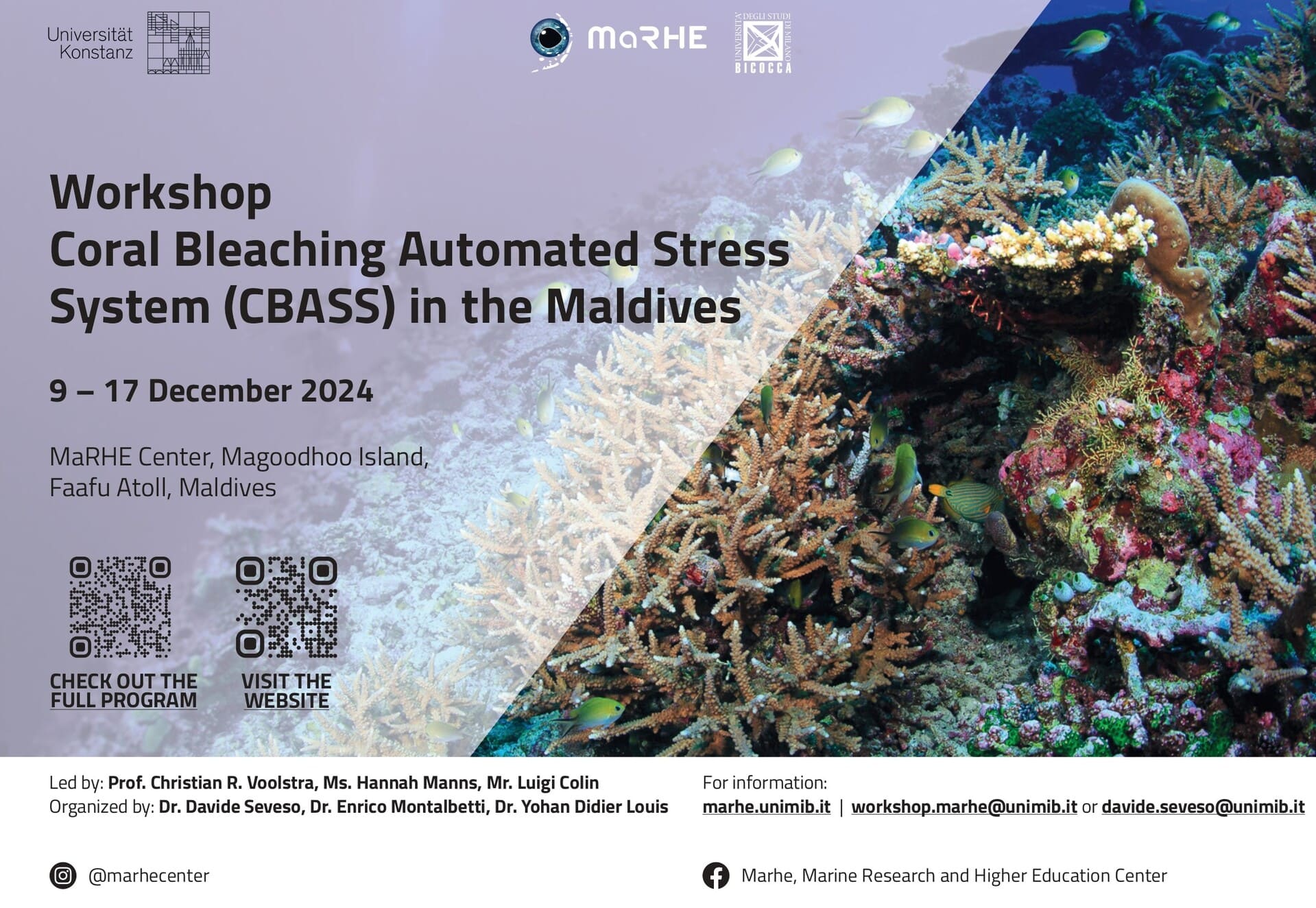
Registrations are now open to a A didactic workshop in MaRHE facilities in the Maldives, to learn about a rapid system to determine standardized coral thermal thresholds in the field, held by Prof. Christian Voolstra.
Grantees names: Lucia Rizzo and Declan Morrissey